Marketing Strategies
Things Visitors Expect a Website to Have
When visitors land on your website for the first time, they instantly form an opinion about your business. Whether you run an online store, a company website, a blog, or a service-based business, your…
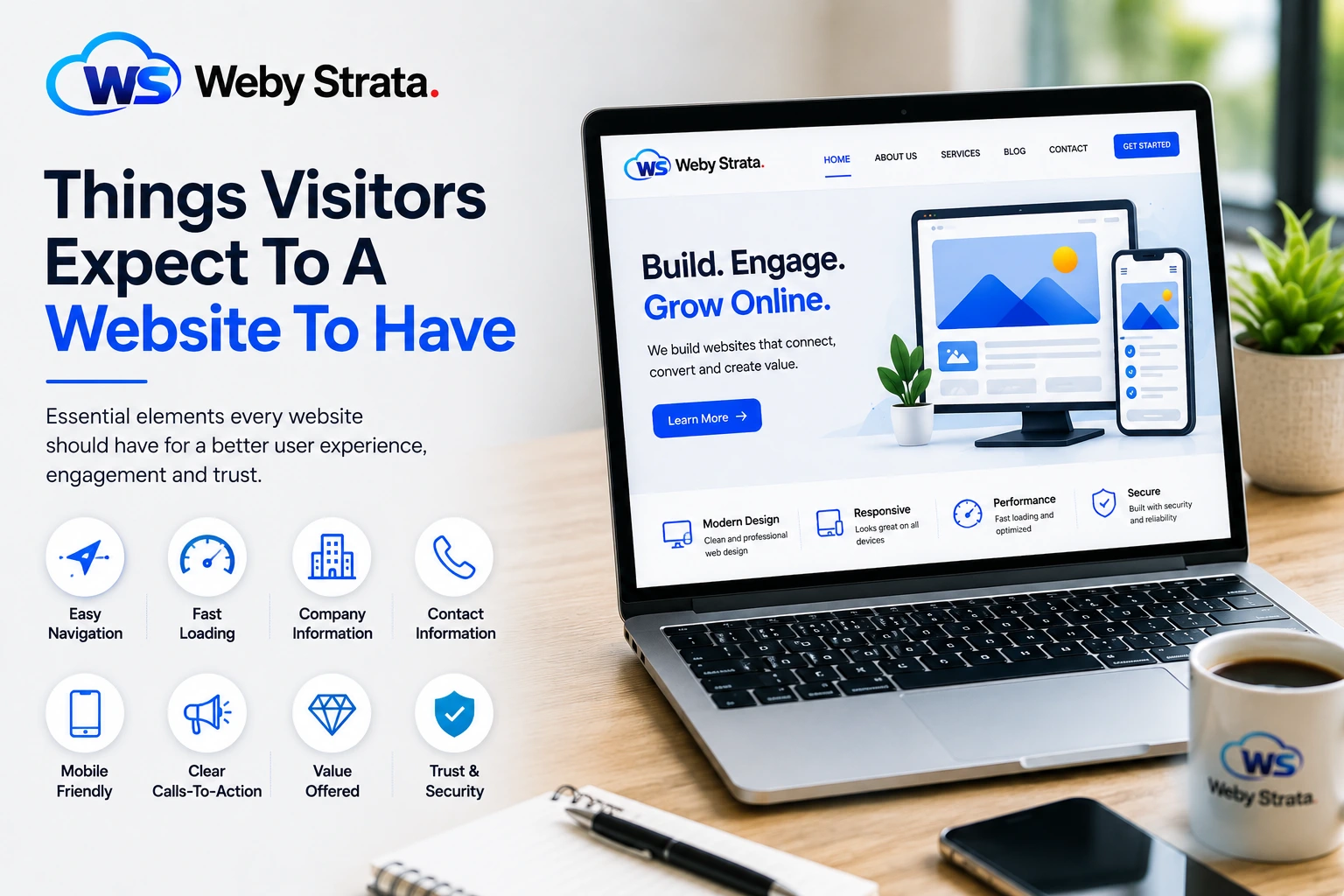
When visitors land on your website for the first time, they instantly form an opinion about your business. Whether you run an online store, a company website, a blog, or a service-based business, your website should provide a smooth and professional user experience.
Many business owners focus heavily on design but forget about the features visitors actually expect. If users cannot find information quickly or have difficulty using your website, they are likely to leave and visit a competitor instead.
Understanding the things visitors expect a website to have can help improve user experience, increase engagement, and generate more leads and sales.
1. Easy Website Navigation
One of the most important things visitors expect from a website is easy navigation.
Users should be able to find information quickly without clicking through multiple pages. A clear menu structure helps visitors understand your website and locate the content they need.
Good navigation should include:
- Clear menu items
- Logical page structure
- Visible navigation bar
- Easy access to important pages
- Search functionality where required
Visitors should immediately understand:
- Who you are
- What you offer
- How to contact you
If users struggle to find information, they will likely leave your website.
2. Fast Loading Pages
Website speed plays a major role in user satisfaction and search engine rankings.
Modern internet users expect websites to load within a few seconds. Slow-loading pages can increase bounce rates and reduce conversions.
Benefits of a fast website include:
- Better user experience
- Improved SEO rankings
- Higher conversion rates
- Lower bounce rates
- Increased customer satisfaction
You can improve website speed by:
- Using quality web hosting
- Optimizing images
- Enabling caching
- Using a Content Delivery Network (CDN)
- Minimizing unnecessary scripts
A fast website helps create a positive first impression.
3. Clear Company Information
Visitors want to know who they are doing business with.
A brief introduction about your company should be visible on the homepage. This helps visitors quickly understand your business, services, and expertise.
Your website should clearly explain:
- Who you are
- What services you provide
- What makes your business unique
- How you help customers
A strong company description helps build trust and credibility from the first visit.
4. Easy-to-Find Contact Information
Visitors often visit a website specifically to contact a business.
Your phone number, email address, and contact page should be easy to locate.
Important contact details include:
- Phone number
- Email address
- Contact form
- Business address (if applicable)
- Social media profiles
Displaying contact information prominently helps visitors reach you quickly and increases the chances of converting them into customers.
5. Mobile-Friendly Design
Today, a large percentage of website traffic comes from smartphones and tablets.
Visitors expect websites to work properly on all devices, including:
- Mobile phones
- Tablets
- Laptops
- Desktop computers
A mobile-friendly website should:
- Adjust automatically to screen size
- Load quickly on mobile devices
- Have readable text
- Include touch-friendly navigation
Mobile optimization not only improves user experience but also helps improve search engine rankings.
6. Clear Calls-to-Action (CTA)
Every website should guide visitors toward a specific action.
Without clear calls-to-action, visitors may leave without interacting with your business.
Examples of effective CTAs include:
- Contact Us
- Get a Free Quote
- Buy Now
- Learn More
- Start Free Trial
- Download Guide
Calls-to-action should be clearly visible and strategically placed throughout the website.
A strong CTA helps convert visitors into leads and customers.
7. Valuable Content
Visitors expect websites to provide useful and relevant information.
Whether you sell products or services, your website should clearly communicate the value you offer.
Important information may include:
- Service benefits
- Product features
- Pricing details
- Customer testimonials
- Special offers
- Frequently asked questions
When visitors immediately understand how your business can help them, they are more likely to stay engaged and take action.
8. Trust Signals and Credibility
People want to feel confident before purchasing a product or service online.
Adding trust-building elements can significantly improve visitor confidence.
Examples include:
- Customer reviews
- Testimonials
- Case studies
- Security certificates
- Company information
- Industry certifications
- Trust badges
Trust signals help reassure visitors that your business is legitimate and reliable.
9. Secure Website Connection (SSL)
Website security is another important expectation.
Visitors want to know their information is protected when browsing your website or submitting forms.
A secure website should:
- Use HTTPS
- Have an SSL certificate installed
- Protect customer data
- Display security indicators in the browser
A secure website builds trust and improves search engine performance.
10. Consistent Branding
Visitors expect a professional and consistent appearance across your website.
Your branding should include:
- Company logo
- Brand colors
- Consistent typography
- Professional images
- Clear messaging
Strong branding helps visitors remember your business and creates a more professional impression.
Why Visitor Experience Matters
A website is often the first interaction a potential customer has with your business.
If visitors enjoy using your website, they are more likely to:
- Stay longer
- Explore more pages
- Contact your business
- Subscribe to updates
- Make a purchase
A positive user experience directly impacts customer trust, engagement, and conversions.
Final Thoughts
Understanding the things visitors expect a website to have is essential for creating a successful online presence. Visitors want fast loading pages, easy navigation, clear company information, contact details, mobile-friendly design, valuable content, and trustworthy experiences.
By viewing your website from a visitor’s perspective and continuously improving the user experience, you can increase engagement, build trust, and turn more visitors into loyal customers.
If your website meets these expectations, it will be better positioned to attract, retain, and convert visitors effectively.
Related Articles