SEO Insights
Top 7 SEO Tips to Optimize Your eCommerce Store
Running an online store is not just about listing products and waiting for customers to arrive. To attract potential buyers and increase sales, your store needs to be visible in search engine results. This…
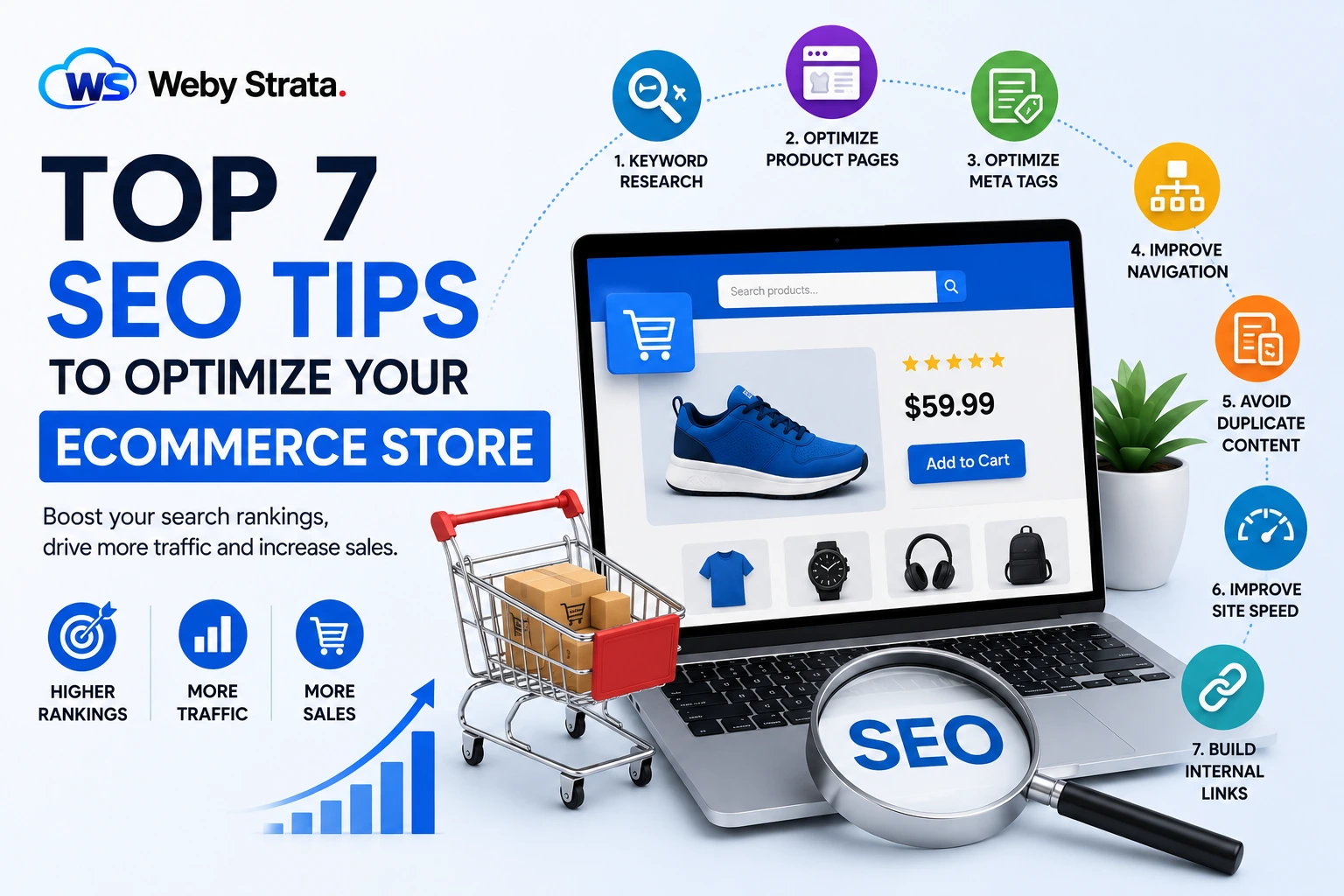
Running an online store is not just about listing products and waiting for customers to arrive. To attract potential buyers and increase sales, your store needs to be visible in search engine results. This is where eCommerce SEO becomes essential.
SEO for eCommerce stores helps improve search engine rankings, drive organic traffic, and reduce dependence on paid advertising. When your products appear higher in search results, more potential customers can discover your store, resulting in increased traffic and conversions.
In this article, we’ll explore the top 7 SEO tips to optimize your eCommerce store and improve your online visibility.
1. Perform Effective eCommerce Keyword Research
Keyword research is the foundation of every successful eCommerce SEO strategy.
Keywords are the search terms people use when looking for products online. By targeting the right keywords, you can attract customers who are actively searching for what you sell.
When selecting keywords:
- Focus on product-specific keywords
- Use category-based keywords
- Target long-tail keywords
- Analyze search volume and competition
- Understand customer search intent
Examples:
- Buy gaming laptop online
- Affordable web hosting plans
- Men’s running shoes
Targeting relevant keywords helps search engines understand your products and display them to the right audience.
2. Optimize Product Pages
Your product pages play a major role in both user experience and SEO performance.
A well-optimized product page should provide visitors with all the information they need before making a purchase.
Important elements include:
- High-quality product images
- Detailed product descriptions
- Product specifications
- Customer reviews
- Product ratings
- Clear pricing information
When writing descriptions:
- Use your target keywords naturally
- Highlight product benefits
- Focus on customer needs
- Avoid duplicate content
Better product pages improve user engagement and increase conversion rates.
3. Optimize Meta Titles and Meta Descriptions
Meta titles and descriptions help search engines understand your pages and encourage users to click on your listings.
Meta Title Best Practices
Your title should:
- Include the primary keyword
- Be clear and descriptive
- Stay within recommended character limits
Example:
Best Gaming Laptop for Students | Online Store
Meta Description Best Practices
A good meta description should:
- Summarize the page content
- Include target keywords
- Encourage clicks
Example:
Shop high-performance gaming laptops at affordable prices. Fast delivery and secure payments available.
Well-written metadata can significantly improve click-through rates.
4. Improve Website Navigation
Visitors should be able to find products quickly and easily.
Poor website navigation can increase bounce rates and negatively impact SEO performance.
A good navigation structure should include:
- Clear product categories
- Logical menu organization
- Breadcrumb navigation
- Search functionality
- Mobile-friendly menus
Benefits of better navigation:
- Improved user experience
- Better crawlability for search engines
- Higher engagement rates
- Increased product discovery
The easier it is for users to navigate your store, the more likely they are to make a purchase.
5. Avoid Duplicate Content
Duplicate content can confuse search engines and reduce your rankings.
Many eCommerce stores unintentionally create duplicate content through:
- Manufacturer product descriptions
- Similar product pages
- Multiple URLs for the same product
- Category duplication
To avoid duplicate content:
- Write unique product descriptions
- Create original category content
- Use canonical URLs where necessary
- Regularly audit your website
Unique content helps search engines understand which pages should rank higher.
6. Improve Website Speed
Website speed is one of the most important ranking factors for both SEO and user experience.
Visitors expect pages to load quickly. Slow websites often lose potential customers before they even view the products.
Ways to improve page speed:
Optimize Images
- Compress large images
- Use modern image formats
- Resize images properly
Minify CSS and JavaScript
- Remove unnecessary code
- Reduce file sizes
Enable Caching
- Use browser caching
- Implement server-side caching
Use Lazy Loading
Lazy loading ensures images and videos load only when needed, improving page performance.
A faster website improves:
- Search rankings
- User experience
- Conversion rates
- Customer satisfaction
7. Build Internal Links
Internal linking helps both users and search engines discover important pages on your website.
Examples of internal linking:
- Link products from blog posts
- Link related products
- Connect categories and subcategories
- Link buying guides to products
Benefits of internal linking:
- Improves website structure
- Distributes page authority
- Enhances user experience
- Helps search engines crawl pages
Strategic internal linking can boost the visibility of important product and category pages.
Why eCommerce SEO Matters
SEO is one of the most cost-effective marketing strategies for online stores.
Benefits include:
- Increased organic traffic
- Better search engine rankings
- Higher brand visibility
- Reduced advertising costs
- More qualified visitors
- Improved conversion rates
Unlike paid advertising, SEO continues to deliver results over time and helps build long-term growth.
Conclusion
Implementing these Top 7 SEO Tips to Optimize Your eCommerce Store can significantly improve your website’s visibility, traffic, and sales. By focusing on keyword research, product page optimization, metadata, navigation, page speed, internal linking, and unique content, you can create a stronger online presence and attract more customers through organic search.
SEO is not a one-time task. Consistently optimizing your eCommerce store will help you stay competitive and achieve sustainable long-term growth.
Related Articles