Latest Updates
What Is a .GRAPHICS Domain? Who Should Use It in 2026?
What Is a .GRAPHICS Domain? Who Should Use It in 2026? A domain name can help visitors understand what a website offers before they explore its pages. A .GRAPHICS domain gives a clear identity…
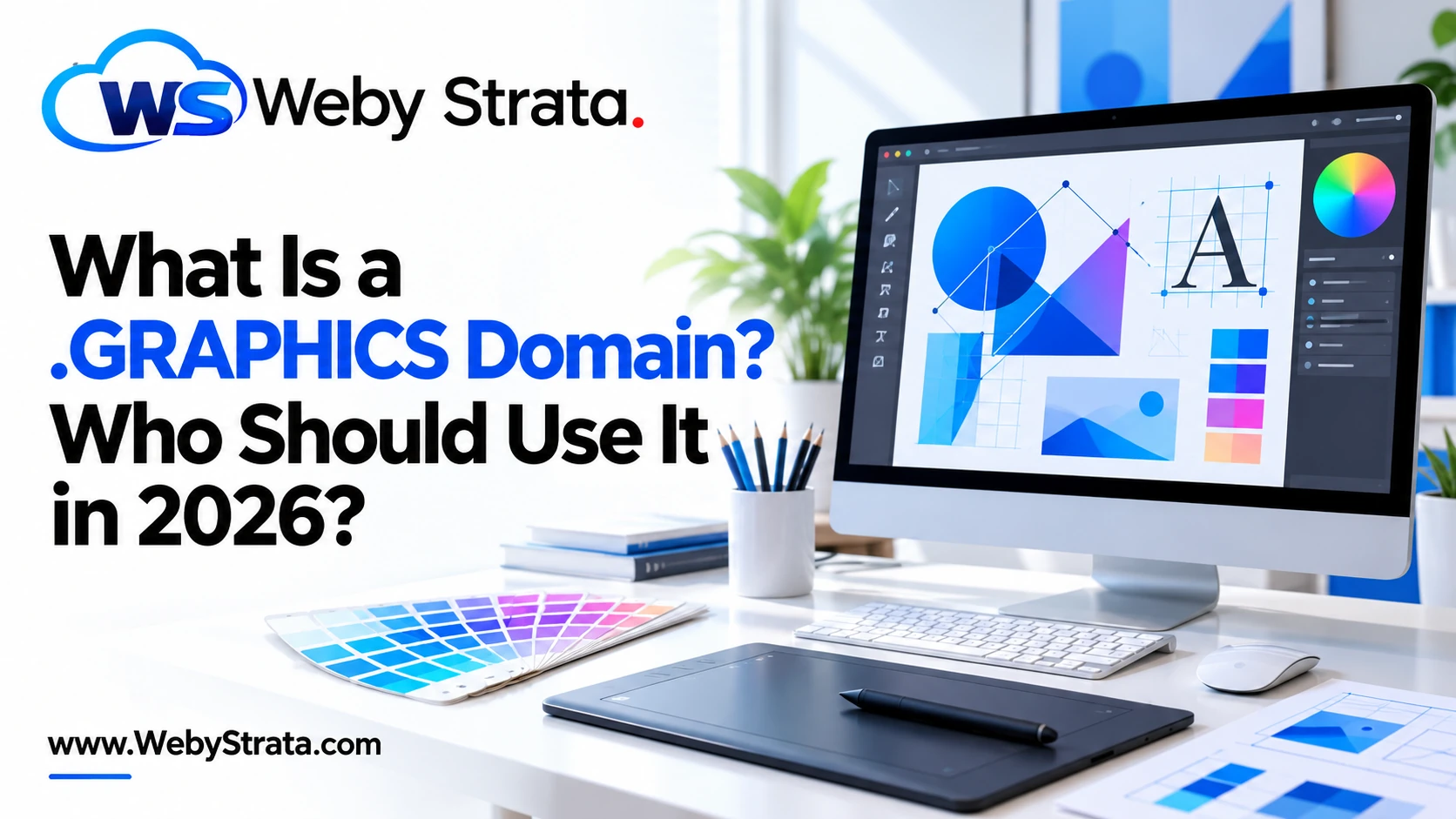
What Is a .GRAPHICS Domain? Who Should Use It in 2026?
A domain name can help visitors understand what a website offers before they explore its pages. A .GRAPHICS domain gives a clear identity to visual communication, design, illustration, animation, presentation, and creative technology projects. In 2026, it can be a memorable choice for a designer, studio, agency, educator, publisher, or business that wants its online address to signal a graphics-focused purpose.
The extension does not prove that a designer is qualified, that an image is original, or that a business owns every asset shown on its website. A trustworthy graphics website should identify its publisher, explain the creator’s role, respect copyright and licensing, and present work with useful context. This guide explains who may benefit from a .GRAPHICS domain and how to build it responsibly.
What is a .GRAPHICS domain?
A .GRAPHICS domain is a descriptive web address for websites related to graphic design, illustration, visual branding, digital art, animation, infographics, creative services, design resources, or visual communication. It can help a project communicate its subject directly in the web address.
A domain is only one part of a professional presentation. A portfolio should explain which work was created by the owner, which work was completed for a client, and which elements require permission to display. Project pages can also include the brief, the creative role, the tools used, the final outcome, and any limitations that help visitors understand the work accurately.
Who should consider a .GRAPHICS domain?
A .GRAPHICS domain can suit visual projects that need a focused and memorable online identity.
- Graphic designers: Present portfolios, branding projects, layouts, illustrations, and enquiry information.
- Creative studios: Show case studies, team expertise, process details, campaign work, and service packages.
- Illustrators and artists: Organize collections, commissions, licensing information, exhibitions, and creator biographies.
- Motion and animation teams: Display reels, storyboards, production work, technical capabilities, and project credits.
- Businesses and publishers: Share visual resources, infographics, presentations, templates, or brand guidance.
- Educators and design communities: Publish tutorials, exercises, references, workshops, and carefully attributed resources.
What can you build on a .GRAPHICS website?
A designer can build a portfolio with project categories, detailed case studies, client objectives, process explanations, and a clear enquiry path. A studio can create separate pages for branding, digital design, illustration, packaging, motion, or presentation work while keeping the visual system consistent.
An educator or resource publisher can organize tutorials, templates, visual references, workshop information, and downloadable materials. A business can use a .GRAPHICS website as a brand resource centre with approved logos, colour guidance, presentation assets, and usage instructions for internal or partner teams.
Graphics websites often contain large image files, galleries, videos, and interactive examples. Use responsive WebP images where suitable, descriptive alternative text, captions, meaningful headings, keyboard-friendly controls, readable contrast, and a layout that remains usable on mobile devices. Optimize the visual experience without making important information available only through images.
Benefits of choosing a .GRAPHICS domain
A direct creative signal
The extension immediately suggests visual design or graphics-related work. That can help a portfolio, agency, studio, resource library, or creative service create a focused address.
A memorable portfolio identity
A .GRAPHICS domain can give a designer or creative team a dedicated home for projects, services, resources, and visual storytelling.
Flexible room for growth
The website can start as a simple portfolio and grow into a case-study library, design resource centre, course platform, studio website, or brand asset hub as the project develops.
Checks before registering a .GRAPHICS domain
Check current availability, registration terms, renewal pricing, privacy options, and any conditions shown by the registrar. Choose a name that is easy to spell, reflects the project’s real purpose, and will remain useful if the service list or portfolio expands.
Review possible conflicts with existing studios, agencies, artists, product names, and creative brands before committing to an address. Confirm the rights for photographs, fonts, illustrations, stock assets, client work, music, video, and downloadable resources. If the website collects enquiries, sells services, hosts accounts, or accepts payments, plan the related privacy, security, consumer, and data responsibilities.
How WebyStrata can help
WebyStrata can help create a .GRAPHICS website with a polished visual system, responsive layouts, accessible galleries, optimized WebP media, clear case-study structures, and a publishing workflow that makes new work easier to add. The design can give a creator or studio a strong presentation while keeping project context, rights information, and calls to action visible.
WebyStrata can also plan the journey from a search result to a portfolio, service page, project case study, workshop, resource download, or enquiry form. That may include mobile-first design, image optimization, search-friendly page structure, useful metadata, and clear navigation that helps visitors understand both the work and the next step.
When you are ready to build the website, WebyStrata web development services can help with planning, design, and launch.
Final thoughts
A .GRAPHICS domain can be a strong choice for designers, illustrators, studios, animators, educators, publishers, and visual brands in 2026. It works best when the address, portfolio, images, captions, permissions, accessibility, and visitor journey all support the same clear purpose. Present creative work honestly, protect the rights of creators and clients, and make it easy for visitors to understand what you offer.
Related Articles