Latest Updates
What Is a .GRATIS Domain? Who Should Use It in 2026?
What Is a .GRATIS Domain? Who Should Use It in 2026? A domain name can communicate the purpose of a website before visitors read its content. A .GRATIS domain uses a word associated with…
What Is a .GRATIS Domain? Who Should Use It in 2026?
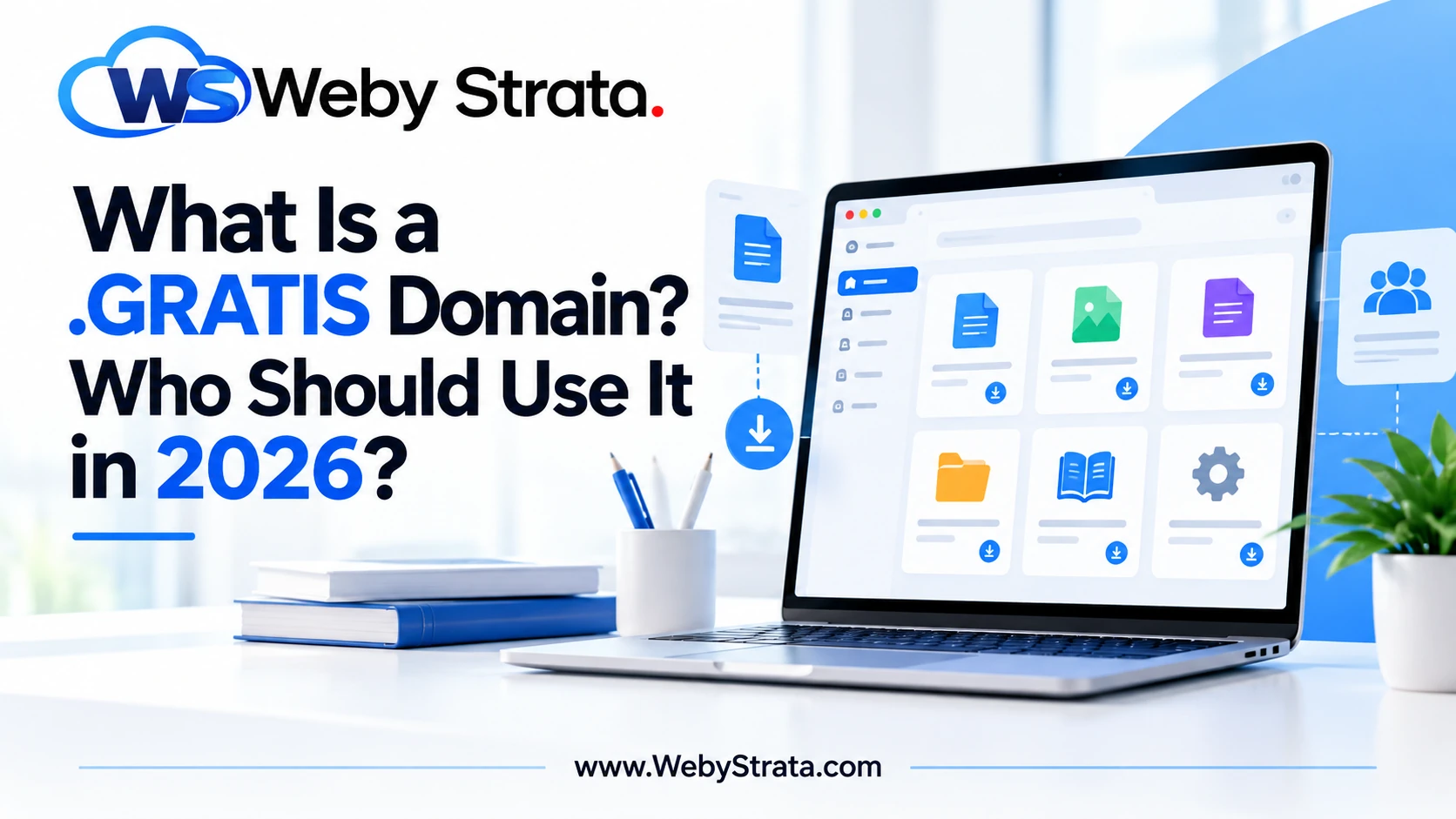
A domain name can communicate the purpose of a website before visitors read its content. A .GRATIS domain uses a word associated with free access, open resources, or no-cost community offerings, making it a possible fit for projects that help people discover useful materials without an upfront charge. In 2026, it can be considered by educators, community projects, resource publishers, charities, and businesses that want to explain a free-to-access offering clearly.
The word “gratis” does not guarantee that a domain registration, product, service, download, subscription, or event is free. A responsible website should explain what is free, identify any limits, disclose optional paid features, and make renewal, payment, privacy, and support information easy to find. This guide explains who may benefit from a .GRATIS domain and how to use it honestly.
What is a .GRATIS domain?
A .GRATIS domain is a descriptive web address for websites focused on free resources, open educational materials, community support, public-interest information, introductory offers, or other clearly explained no-cost access. It can help a project signal its value proposition directly in the web address.
The domain itself is not a pricing policy. The website owner remains responsible for stating whether access is free for everyone, limited to a particular group, available for a trial period, supported by donations, or connected to optional paid services. Keep those explanations visible and avoid using the extension to make a promise the website cannot support.
Who should consider a .GRATIS domain?
A .GRATIS domain can suit projects whose main purpose is to make useful information, tools, or community help easier to discover.
- Educators and learning projects: Share open lessons, worksheets, study guidance, tutorials, and clearly explained learning resources.
- Community organizations: Publish local information, support directories, events, volunteer guidance, and public resources.
- Charities and public-interest projects: Explain free assistance, donation-supported programs, eligibility, and ways to get help.
- Resource publishers: Organize templates, guides, checklists, tools, articles, or downloads that visitors can access without a charge.
- Businesses with free offerings: Present a free starter resource, educational centre, sample tool, or introductory service while distinguishing it from paid options.
- Open communities: Provide documentation, onboarding material, event information, and participation guidance for members.
What can you build on a .GRATIS website?
An educator can create a resource library with lessons, levels, explanations, downloadable material, accessibility information, and a simple path for feedback. A community project can publish local guides, service directories, event calendars, eligibility details, and support contacts without making visitors search through unrelated pages.
A business can use a .GRATIS website for a free knowledge centre, starter toolkit, introductory calculator, sample resource, or learning hub. The page should explain whether an account is required, whether limits apply, whether a paid upgrade exists, and how personal information is used.
Resource-heavy websites need careful organization and accessibility. Use descriptive headings, readable text, useful alternative text, keyboard-friendly controls, clear download labels, responsive WebP images, and file information such as format, size, date, and update status. Make important instructions available in the page content rather than only inside an image or downloadable file.
Benefits of choosing a .GRATIS domain
A clear value signal
The extension can quickly suggest that a website offers free access or community value. That can help visitors understand the project before opening the page.
A focused resource identity
A .GRATIS domain can give an educational library, public-interest project, community initiative, or free tool a dedicated identity that is easy to remember.
Room for transparent growth
The website can begin with a small set of free resources and grow into a structured library, support hub, learning centre, or community platform while clearly separating free and paid features.
Checks before registering a .GRATIS domain
Check current availability, registration terms, renewal pricing, privacy options, and any conditions shown by the registrar. Do not assume that the extension makes registration free or that every name has the same pricing. Choose a name that accurately describes the project and will remain useful if its funding or access model changes.
Write a plain-language access policy before launch. Explain what visitors receive, who qualifies, what information is collected, whether downloads are safe and current, how donations or optional purchases work, and where visitors can request support. Review copyright, licensing, privacy, accessibility, consumer, advertising, and data responsibilities that apply to the project.
How WebyStrata can help
WebyStrata can help build a .GRATIS website with clear resource categories, accessible layouts, fast pages, optimized WebP media, transparent access explanations, and a publishing workflow that makes new material easier to add. The design can make the free value easy to understand without hiding restrictions or optional paid paths.
WebyStrata can also plan the journey from a search result to a guide, lesson, download, support page, registration form, or community resource. That may include mobile-first design, search-friendly page structure, useful metadata, clear calls to action, and content organization that helps visitors find the right resource quickly.
When you are ready to build the website, WebyStrata web development services can help with planning, design, and launch.
Final thoughts
A .GRATIS domain can be a strong choice for educators, community organizations, charities, resource publishers, open projects, and businesses with clearly defined free offerings in 2026. It works best when the website explains access honestly and supports that promise with useful content, safe downloads, accessibility, privacy, and reliable support. Make the value clear, disclose the limits, and help every visitor understand the next step.
Related Articles