Latest Updates
What Is a .PM Domain? Who Should Use It in 2026?
A regional domain can give a website a clear local identity while still working for a modern business, portfolio, or community project. A .PM domain is the country-code extension for Saint-Pierre-et-Miquelon, the French overseas…
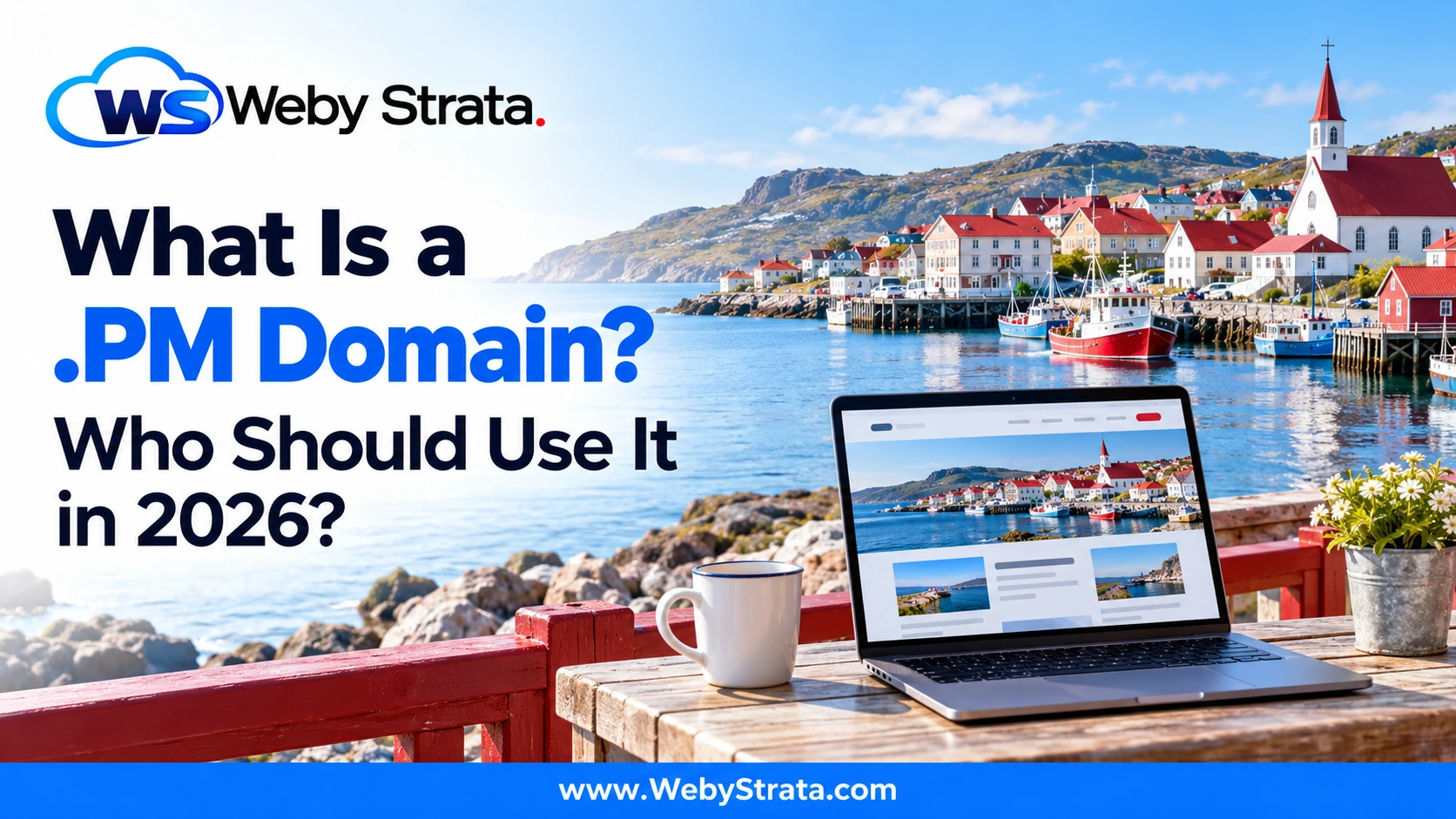
A regional domain can give a website a clear local identity while still working for a modern business, portfolio, or community project. A .PM domain is the country-code extension for Saint-Pierre-et-Miquelon, the French overseas territory in the North Atlantic. It is available through accredited registrars, but applicants must meet the current AFNIC eligibility rules.
What is a .PM domain?
A .PM domain is a web address ending in .pm. It is managed within the AFNIC family of French and French overseas extensions and is associated with Saint-Pierre-et-Miquelon. The extension can suit a local organisation, a territory-focused project, or an eligible European individual or company that wants a concise regional address.
Who should use a .PM domain?
A .PM domain is best for an eligible registrant with a genuine connection to the territory, France, or the eligible European registration area. Possible projects include:
- A local business or service provider serving Saint-Pierre-et-Miquelon
- A tourism, accommodation, food, or cultural project focused on the islands
- A French or European organisation with a regional website or campaign
- A community, association, or local information resource
- An individual’s professional or creative project with a relevant regional identity
.PM eligibility and registration checks
Before buying, confirm that the holder qualifies under the current AFNIC rules. Eligibility can depend on the individual’s nationality or residence, or on where a company or organisation has its registered office. Registrars may request accurate identification, company information, or other supporting details. Use the current registrar and registry requirements at the time of registration because policies, verification steps, and the list of terms subject to review can change.
Why choose a .PM website?
The extension can make a regional website feel specific and memorable instead of forcing a long location phrase into the main brand name. A tourism operator can publish travel information, accommodation details, seasonal notices, and contact options. A local service business can provide opening hours, service areas, booking information, and customer support. A community project can publish news, events, public resources, and accessibility information. Use clear location details and avoid implying official authority unless the organisation actually has it.
How to choose and buy a .PM domain
- Confirm that you or your organisation meet the current .PM eligibility requirements.
- Choose a short, accurate name that matches your identity, service, or regional project.
- Check availability, registration term, renewal pricing, transfer rules, and verification requirements.
- Register through an accredited registrar with accurate holder and administrative contact details.
- Launch with HTTPS, privacy-conscious forms, mobile-friendly pages, and accessible content.
When you are ready to plan the website, WebyStrata web development services can help with information architecture, design, performance, and launch preparation for a regional online presence.
When you are ready to build the website, WebyStrata web development services can help with planning, design, and launch.
Final thoughts
A .PM domain can be a focused choice for an eligible person or organisation connected with Saint-Pierre-et-Miquelon or the permitted European registration area. Confirm eligibility first, keep registration details accurate, and build a useful, trustworthy website that respects the local audience.
Related Articles