Latest Updates
What Is a .PS Domain? Who Should Use It in 2026?
Choosing a country-code domain can help a website communicate where a business, organisation or community is connected. The .PS domain is the country-code top-level domain associated with Palestine and can be considered by organisations…
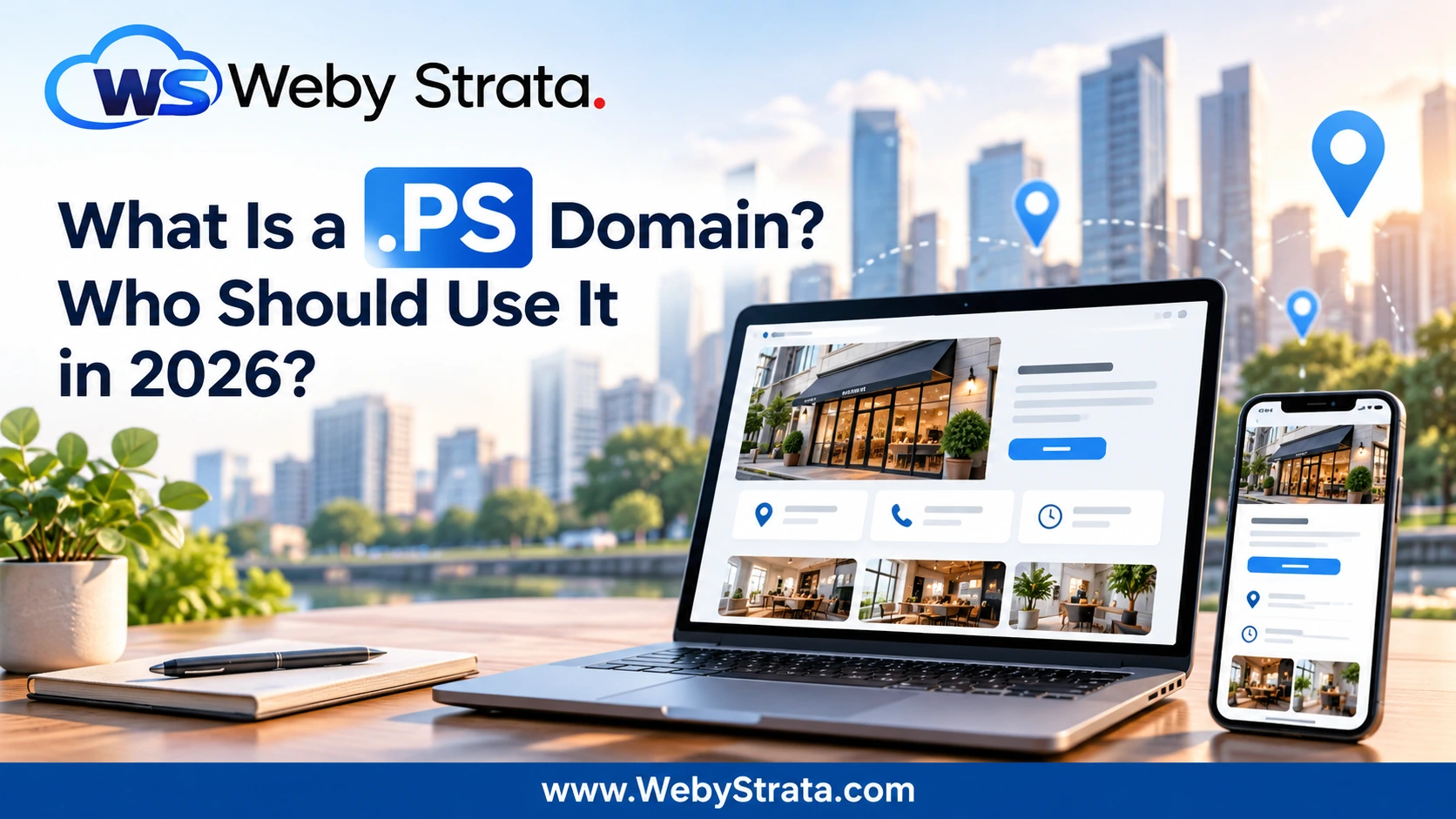
Choosing a country-code domain can help a website communicate where a business, organisation or community is connected. The .PS domain is the country-code top-level domain associated with Palestine and can be considered by organisations that serve a local audience or want a regional online identity.
What is a .PS domain?
.PS is an active country-code top-level domain (ccTLD). Country-code domains are commonly used by local businesses, organisations, public-interest projects and people who want their web address to reflect a particular country or territory.
A .PS address can support a local online presence, but the extension alone does not prove that a company is registered locally, that a service is available in a specific area, or that an organisation is officially authorised. Those details should be stated accurately on the website.
Who should consider a .PS domain?
- Businesses serving customers in Palestine
- Local shops, restaurants and service providers
- Community, cultural and educational organisations
- Local professionals and regional portfolios
- News, information and public-interest projects with a local focus
- Companies building a dedicated regional website or campaign
Why use a .PS domain?
A regional extension can make a website’s intended audience clearer and can help a local brand choose a web address that feels relevant to its customers. It may also help separate a regional website from a company’s global or international site.
The strongest local websites combine the domain with useful location information, clear contact details, service coverage, accessible language choices and content that genuinely helps the people they serve.
What can a .PS website include?
A .PS website could present local services, a shop catalogue, appointment information, community resources, event details, educational materials or regional news. A business site can include opening hours, service areas, directions, enquiry options, customer support information and frequently asked questions.
Keep the website transparent about who operates it, where services are available and what happens when a visitor sends an enquiry. If the site collects personal data, provide the relevant privacy information and protect forms, accounts and payments appropriately.
What to check before registering
- Check the current eligibility and naming rules for .PS registrations.
- Use the registry or an authorised registrar to confirm availability and pricing.
- Review renewal, transfer, privacy and dispute policies before purchase.
- Choose a name that matches the real organisation, service or project.
- Check trademarks and avoid names that could mislead visitors or imitate another organisation.
Build a local-ready .PS website with WebyStrata
WebyStrata can help turn a .PS domain into a responsive, clear and search-friendly website with local service pages, mobile-first design, useful contact paths and a structure that helps visitors find the right information quickly. A thoughtful regional website should combine technical quality with accurate local content.
When you are ready to build the website, WebyStrata web development services can help with planning, design, and launch.
Final thoughts
A .PS domain can be a meaningful choice for a local business, organisation or project serving Palestine or a related regional audience. Confirm the current registry requirements, choose a truthful name and build the website around real local needs. The domain provides the regional signal; the content and service experience create the trust.
Related Articles